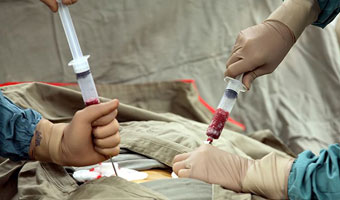
About Bone Marrow Transplant (Autologous & Allogeneic) (India) Treatment
Bone Marrow Transplant in India: Lifesaving Hope, Advanced Care, and Global Trust
For complex lifesaving treatments like Bone Marrow Transplant (BMT), India has become a global haven. International patients are increasingly turning to Indian hospitals, where advanced treatments are made accessible cost-effectively with advanced technology, top specialists and supportive medical tourism partners. So let’s take a look at what a bone marrow transplant involves, why it’s needed, how it’s performed, and what patients can expect during recovery.What is Bone Marrow Transplant?
Bone marrow transplant is a process that involves replacing damaged or diseased bone marrow with healthy stem cells. These stem cells could originate within a patient’s own body or be transplanted from a donor. The transplant also benefits those with leukemia, lymphoma, aplastic anemia, sickle cell disease and few immune deficiency conditions.How is it done?
Patients are given high-dose chemotherapy and/or radiation to kill diseased marrow. Healthy stem cells are then transplanted into the blood, where they make their way to the marrow and begin making healthy blood cells. In India, this is facilitated by modern equipment such as HEPA (High Efficiency Particulate Air) filtered transplant rooms, cell separators, and pioneering cryopreservation techniques to store stem cells.Types of Bone Marrow Transplants
India provides all four types of BMT that are globally recognized: Autologous Transplant: Using the patient’s own stem cells. Allogeneic Transplant: Using stem cells from a matched donor (often a sibling). Umbilical Cord Blood Transplant: Using stem cells collected from blood left in the umbilical cord after childbirth. Each type has its own indications depending upon the type of disease and the condition of the patient.Why and Who Needs a Bone Marrow Transplant?
Bone Marrow Transplant (BMT) is usually the only cure for:- Blood cancers like leukemia and lymphoma
- Severe aplastic anemia
- Inherited blood diseases such as thalassemia or sickle cell anemia
- Certain metabolic and immune disorders
Possible Post-surgery Complications
Post-operative side-effects that may occur in the cases of bone marrow transplant:- Declining blood pressure
- Shortness of breath
- Pain
- Nausea
- Headache
- Fever
- Chills
- Nosebleed
- Diarrhea
- Graft-versus-host disease
- Infection
- Sores in the mouth
- Damage to the vital organs
- Stomach upset
- Cataract
- Early menopause
Are Bone Marrow Transplants Safe?
While BMT is a major procedure, it’s relatively safe when performed at specialty centers. Infections, graft-versus-host disease (GVHD) and organ toxicity are still possible complications – but donor protocols have gotten better and better and antiviral and antibacterial drugs have been developed, making such complications increasingly uncommon. In reality, with the use of meticulous donor selection, pre-transplant work-up and careful post-transplant care, the risk of grave complication has become very low amongst top Indian hospitals.Pre and Post-Transplant Care
Before transplant care requirements:- Full medical evaluation
- Obtaining a matched donor (if necessary)
- Counseling and conditioning treatment (chemotherapy/radiation)
- Strict infection control
- Regular blood tests
- Supportive medications (antibiotics, antivirals)
- Monitoring for complications such as GVHD or relapse
How long does it take to recover?
Recovery can vary for a number of reasons, but usually:- Hospital stay goes up to 3-4 weeks
- Full recovery takes around 6 months to 1 year
Quality of Life and Life Expectancy After BMT
For many people, a successful transplant means life is back to normal or near-normal. Long-term survival is affected by disease stage, age and type of transplant, however patients often report a significant improvement in quality of life, especially when the procedure is performed early in the disease course. It is said that if a patient manages to endure for 5 years after the surgery, their survival chances for another 15 years more is very high.Is Travelling Possible After a Bone Marrow Transplant?
Yes, but cautiously. Most doctors recommend waiting for at least 6-12 months before planning travel outside of the country, depending on a person’s recovery and immune status. Even then, consultation with the treating team is essential to manage risks. Some Dos’ and Don’ts to follow during travel:- Don’t forget to take along essential paperwork with information about your condition during travel. These could be required in emergencies as they will detail the drugs you are on.
- Obtain a letter with a list of meds from your hospital.
- Consume food which is hygienic.
- Do not leave home without an insect repellent.
- Use your own drinking water while travelling, as much as possible.
Topmost Hospitals Recommended for Bone Marrow Transplant in India
India is a home to world-class BMT centres with international accreditations and advanced infrastructure. Some of the best hospitals are:- Fortis Hospital
- Medanta
- Apollo Hospitals
- Max Super Speciality Hospitals
- Manipal Hospital
- Artemis Hospital
- Nanavati Hospital
- Jaslok Hospital
- Apollo Hospitals
Success Rate in India
Success varies with the disease, age of patient, and source of transplant, but in India the success rate for BMT goes above 80% in most of the cases. With better donor registries and supportive care services, outcomes are on the rise.Livonta Global’s Contribution in Simplifying the Journey of Bone Marrow Transplant Treatment in India
Affordable cost, and experienced professionals and internationally accredited hospitals in India makes it the new hot spot for BMT. This is where medical tourism agencies like Livonta Global plays a big role, through:- assisting patients to select the best hospital and specialist,
- planning and scheduling medical appointments and treatment plans,
- helping with visas, travel, and accommodation, and
- providing language support and transparent cost guidance.
Top Hospitals for Bone Marrow Transplant (Autologous & Allogeneic) (India)

Apollo Hospital
 Established in: 1988
 Number of Beds: 550
 Core Specialties & Institutes, Cardiology & Cardiothoracic Surgery, Oncology (Cancer Care) etc.
 Location: India,
jubilee hills, Hyderabad
Location: India,
jubilee hills, Hyderabad
Our Mission Bring healthcare of international standards within reach of every individual.We are committed to the achievement and maintenance of excellence in education, research and healthcare for the benefit of humanity.– Dr. Prathap C Reddy, Founder & Chairman – Apollo Hospitals Apollo Health City IntroductionApollo Hospitals Hyderabad first opened its doors in 1988 to bring… Continue reading Apollo Hospital

Indraprastha Apollo Hospital
Established in: 1996
Number of Beds: 710
Super Specialty
Location: India,
Delhi
Apollo Hospitals Overview Vision:Touch a Billion Lives Mission:Bring healthcare of international standards within reach of every individual. Committed to excellence in education, research, and clinical care. Core Values: Relentless Pursuit of Excellence Intellectual Curiosity Social Consciousness Key Stats 75+ hospitals 5500+ pharmacies 16+ birthing centres 1100+ diagnostic centres 10,000+ beds 11,000+ doctors 370+ clinics 500+… Continue reading Indraprastha Apollo Hospital

Fortis Escorts Heart Institute
Established in: 1988
Number of Beds: 310
UGI Endoscopy, Colonoscopy (NBI), Targeted Biopsies, Rapid Urease Test (H. Pylori), Upper & Lower GI Therapeutic Endoscopy, ERCP, Endoscopic Ultrasound
Location: India,
Delhi
Fortis Escorts, Okhla is a 310-bed 159 critical care beds, 9 state-of-the-art operation theatres, 4 Catherisation labs, Electrophysiology labs-hospital. It is recognised worldwide as a centre of excellence in Cardiology and our doctors have been recognised by the Government of India, having received Padma Shri & Padma Bhushan awards. It has performed the highest number… Continue reading Fortis Escorts Heart Institute

Fortis Hospital
Established in: 2006
Number of Beds: 200
Bone Marrow Transplantation, Gastroenterology, Cardio-Thoracic, Opthalmology etc
Location: India,
Vasant Kunj, Delhi
For 18 years, Fortis Hospital, Vasant Kunj, has stood as a beacon of exceptional healthcare in New Delhi. This premier institution has consistently delivered quality medical care, earning a reputation for trust and innovation within the community. Committed to providing comprehensive and patient-centric services, Fortis Vasant Kunj boasts state-of-the-art infrastructure and a team of highly… Continue reading Fortis Hospital
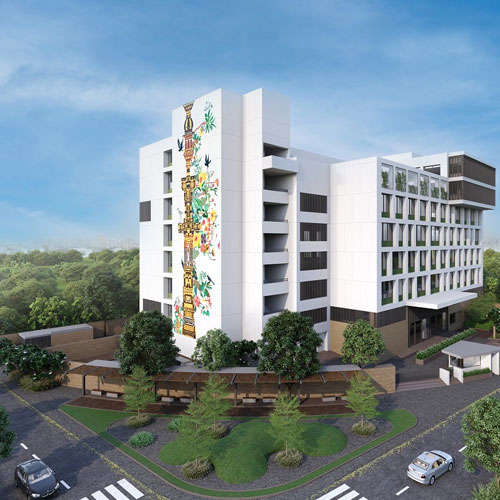
HCG Hospital
Established in: 1999
Number of Beds: 217
Psycho-Oncology, Medical Oncology, Radiation Oncology, Surgical oncology
Location: India,
Ahmedabad
HealthCare Global Enterprises Ltd., simply known as HCG, is a healthcare organization founded by Dr. B. S. Ajaikumar. With its The upgraded facilities at HCG Aastha Cancer Centre reflect our headquarters in Bangalore, HCG is a combined pool of more than 550 specialists across various domains. HCG mainly focuses continuous pursuit of excellence. We are… Continue reading HCG Hospital
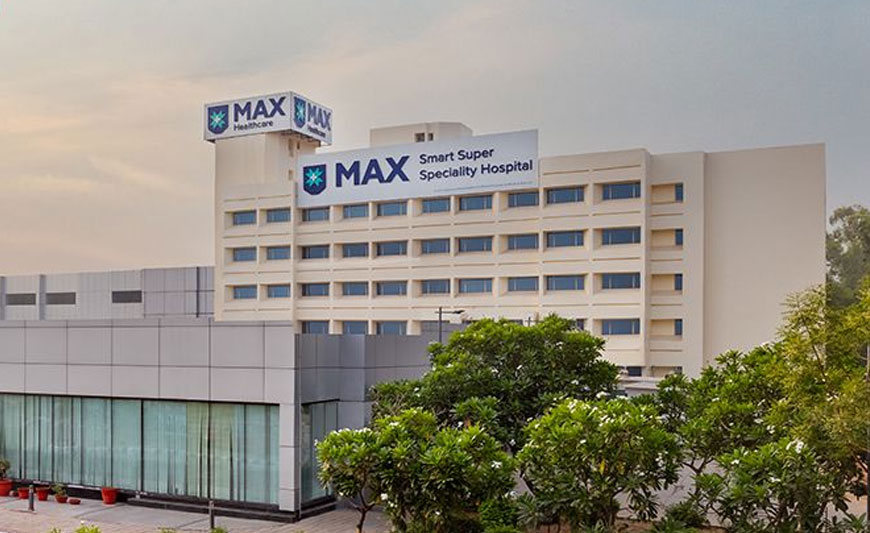
Max Smart Super Speciality Hospital
Established in: 2013
Number of Beds: 250
Orthopaedics & Joint Replacement, Cancer Care / Oncology, Obstetrics And Gynaecology, Cardiac Sciences, Nephrology, Kidney Transplant
Location: India,
Saket, New Delhi
Max Smart Super Speciality Hospital, Saket (a unit of Gujarmal Modi Hospital & Research Centre for Medical Sciences) is a 250-bed facility with 12 high-end modular operation theatres, an emergency resuscitation, and observation unit, 50 critical care beds, a dedicated endoscopy unit, and an advanced dialysis unit. It is a tertiary care hospital equipped with… Continue reading Max Smart Super Speciality Hospital
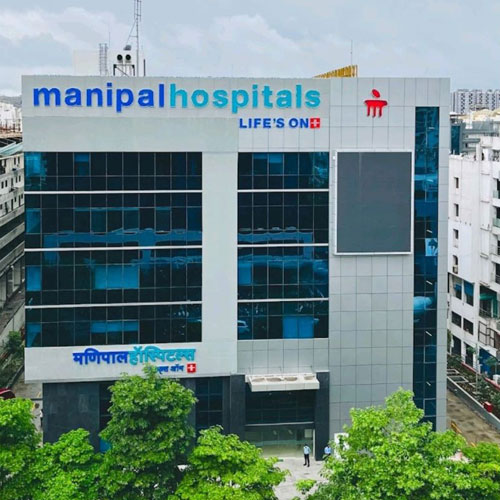
Manipal Hospital
Established in: 1991
Number of Beds: 250
Neurosciences, Onco Sciences (Oncology), Cardiac Sciences (Cardiology & Heart Care), Renal Sciences (Nephrology/Kidney Care), Gastrointestinal Sciences, Orthopaedics & Joint Replacement, Critical Care
Location: India,
Baner, Pune, Maharashtra
Welcome to Manipal Hospital, Baner, Pune, another gem in the long line of clinical excellence from the Manipal Healthcare Enterprises. One of India’s leading hospital chains which offer state-of-the-art medical technology, is performance-driven, and patient-centric at the core, backed by evidence-based expertise. The hospital provides a wide range of healthcare services, both diagnostic and therapeutic. The unit… Continue reading Manipal Hospital
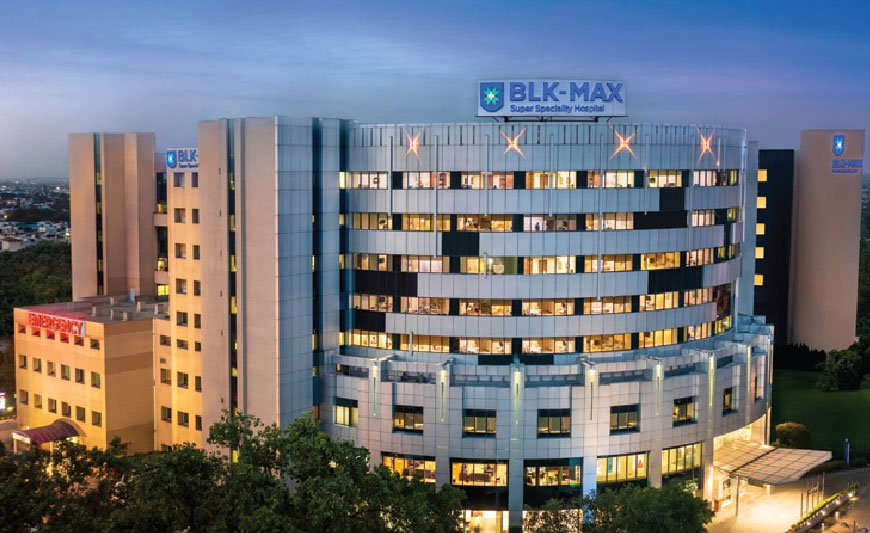
BLK-MAX Super Speciality Hospital
Established in: 1959
Number of Beds: 650
Cancer Centre, Bone Marrow Transplant, Heart & Vascular institute
Location: India,
Pusa Road, New Delhi
BLK-Max Super Speciality Hospital is part of the largest healthcare networks in India, offering a wide range of services, making it a force to reckon with in the field of Super Speciality Tertiary Healthcare. The Hospital has a capacity of 650 beds with dedicated 162 critical care beds, 22 modular operation theatres and speciality-specific dedicated… Continue reading BLK-MAX Super Speciality Hospital
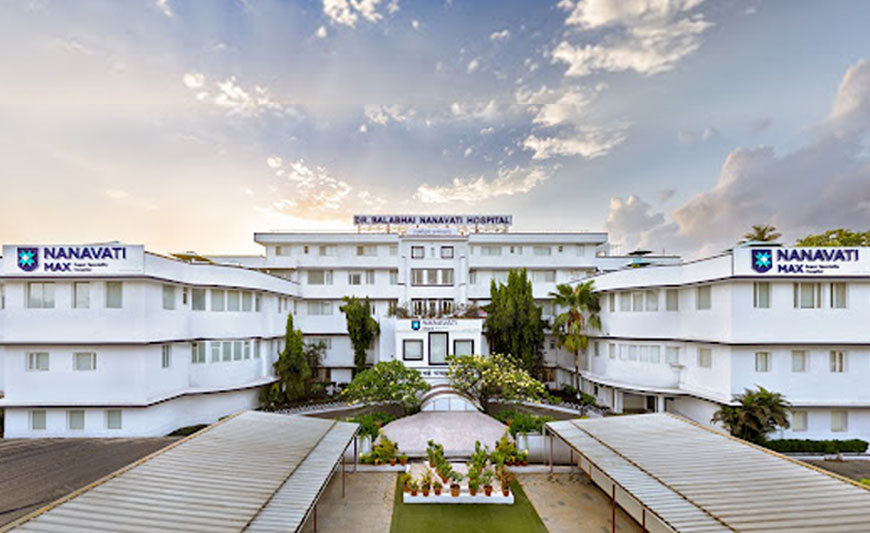
Nanavati Max Super Speciality Hospital
Established in: 1950
Number of Beds: 350
Cancer Care, Centre for Haematology & Bone Marrow Transplant, Centre for Neurosciences, Heart Institute, Centre for Urology, Centre for Critical Care
Location: India,
Mumbai, Maharashtra
Nanavati Max Super Speciality Hospital has been at the forefront of healthcare for 70 years. Today the 350-bed facility housing, 55 speciality departments offers a plethora of services in practically every field of modern medicine and healthcare. Our well-equipped hospital rooms, state-of-the-art departments and technologically advanced systems are all backed by the expertise and reputation… Continue reading Nanavati Max Super Speciality Hospital
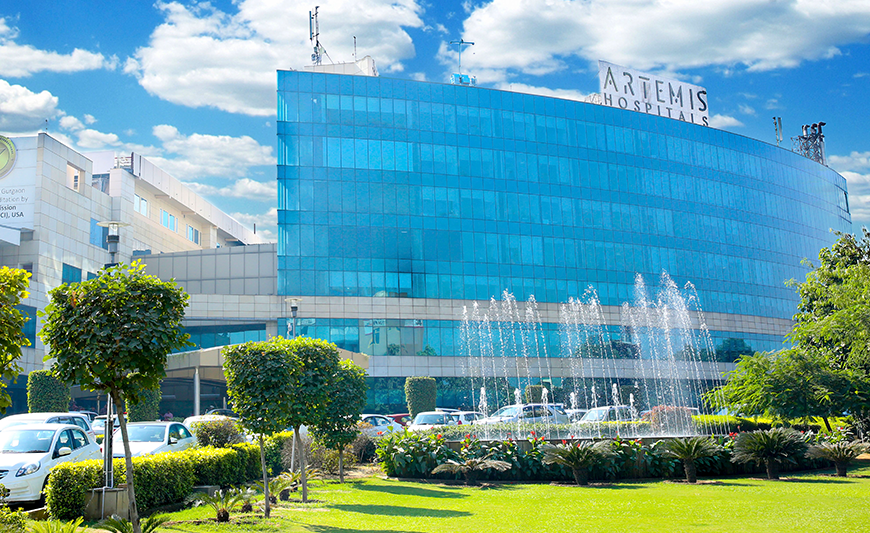
Artemis Hospital
Established in: 2007
Number of Beds: 750+
Oncology, Orthopedics and Joint Replacement, Robotic Surgery, Liver transplant, Cardiac Sciences, Spine Surgery etc
Location: India,
Gurugram
Established in 2007, Artemis Hospitals was founded to provide the highest standards of medical care to patients from Delhi-NCR, other states in India, and abroad. We provide access to a multitude of in-patient and out-patient services across 40+ specialties with a team of over 400 doctors and 12 Centres of Excellence, including cardiology, oncology, gastroenterology,… Continue reading Artemis Hospital
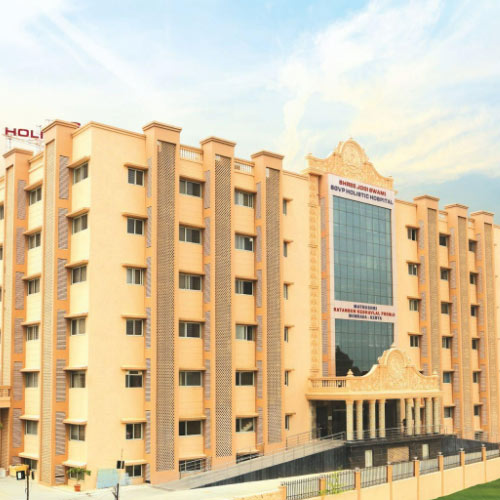
SGVP Holistic Hospital
Established in: 2017
Number of Beds: 180
Modern Medicine, Pediatric Superspeciality, Ayurveda & Yoga, Traditional Healthcare etc.
Location: India,
Ahmedabad, Gujarat.
SGVP Holistic Hospital is a state-of-the-art, NABH-accredited, 180+ bed multi-specialty non-profit hospital located in Ahmedabad, India. Inaugurated in 2017 by Hon. Prime Minister Shri Narendra Modi, the hospital is managed by the Shree Swaminarayan Gurukul Sarvajiv Hitawah Trust, a charitable organization dedicated to accessible, high-quality healthcare. SGVP offers a unique integration of Modern Medicine, Ayurveda,… Continue reading SGVP Holistic Hospital
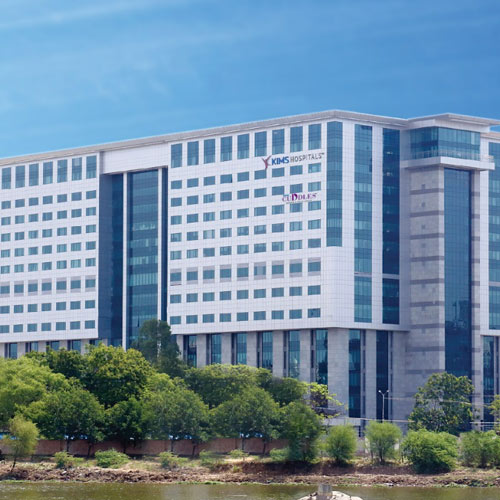
KIMS – Sunshine Secunderabad Hospital
Established in: 2009
Number of Beds: 350
Neurosciences, Gynaecology, Ophthalmology, Orthopaedics, Orthrobotics, Paediatrics, Physiotherapy, Plastic Surgery etc.
Location: India,
Begumpet, Hyderabad
KIMS-SUNSHINE Hospitals in Begumpet is one of the leading best multispeciality hospitals in Hyderabad, and a premier healthcare institution offering excellent treatment and care for patients across more than 30 medical specialities. The hospital in Hyderabad has state-of-the-art facilities and a team of highly qualified doctors who have delivered exceptional patient care for more than a decade. The commitment… Continue reading KIMS – Sunshine Secunderabad Hospital
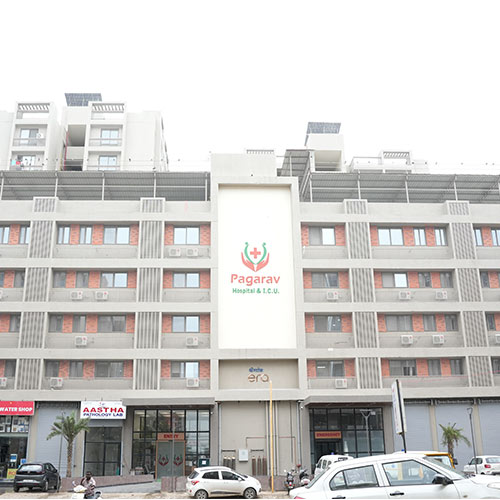
Pagarav Hospital & ICU
Established in: 2015
Number of Beds: 50
General Surgery, Neurosurgery Care, Plastic & Reconstructive Surgery etc.
Location: India,
Sargasan, Gujarat
Established in 2015, Pagarav hospital is a 50 bedded multispeciality super speciality hospital…Hospital has all the department fully functional backup by ICU and NICU along with all super specialist doctors available in panel… Hospital has achieved many milestones in treating and operating many challenging cases…Hospital has served more than 50000+..Patients as OPD and 8000+..as indoor… Continue reading Pagarav Hospital & ICU
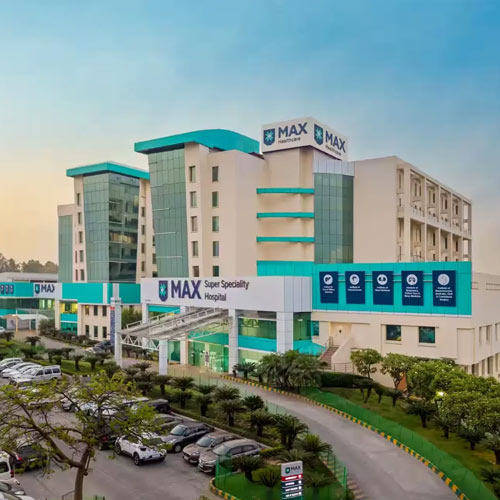
Max Super Speciality Hospital Saket
Established in: 2006
Number of Beds: 539+
Cancer Care / Oncology, Cardiac Sciences, Liver Transplant and Biliary Sciences, Kidney Transplant etc.
Location: India,
New Delhi
Located in the heart of south Delhi, the 539+ bed Max Super Speciality Hospital, Saket, is widely considered as one of the best hospitals in the country. Split into two blocks – East Block (a unit of Devki Devi Foundation) and West Block ( a unit of MHIL – Max Healthcare Institute Limited), it has… Continue reading Max Super Speciality Hospital Saket